Care
Caring for Wooden Furniture in the UAE Climate
Tojan TCD7 min read
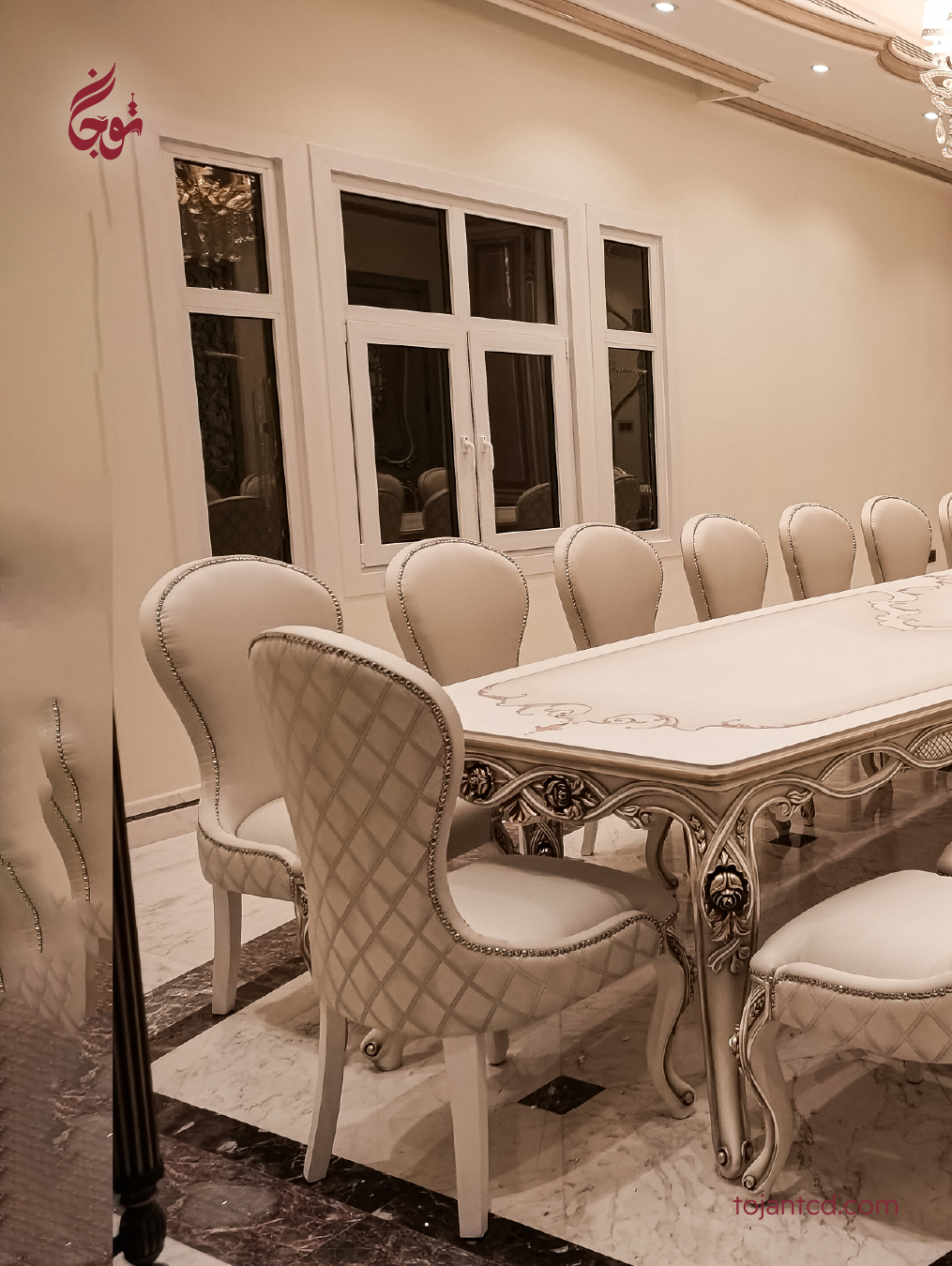
Solid wood is a living material, and the Abu Dhabi climate tests it harder than almost anywhere else. Summer humidity off the Gulf, fierce direct sun through villa glazing, and the dry, chilled air of constant air conditioning all pull at the same panel of timber from opposite directions. Done right, a custom door, a walnut dining table, or a hand-built majlis will look better in twenty years than the day it was installed. Done wrong, the same piece can crack, warp, or fade in a single season. This guide gathers the wood furniture care UAE owners actually need: practical, climate-specific routines from the workshop floor. For bespoke pieces built to last, explore our services or browse finished projects.
Why the UAE Climate Is Hard on Wood
Wood constantly exchanges moisture with the air around it. When humidity rises, timber absorbs water and swells; when the air dries out, it releases moisture and shrinks. In Abu Dhabi this happens fast and often. Outdoor humidity can sit above 80 percent on a summer morning, while the same room at night, sealed and air-conditioned, can drop below 30 percent. That swing is the single biggest threat to fine furniture.
The damage shows up as hairline cracks across solid panels, doors that bind in their frames in August and rattle loose in January, veneer lifting at the edges, and joints that loosen over time. None of this is a defect in the wood. It is wood doing exactly what wood does, reacting to an unstable environment. The whole goal of furniture maintenance here is to keep that environment as steady as possible and to protect wood humidity exposure at the surface.
- Coastal humidity from the Gulf, highest May through September
- Strong UV through large villa windows that bleaches color
- Aggressive air conditioning that dries indoor air to desert levels
- Fine dust and sand that scratches surfaces if wiped dry
Control Humidity Before You Touch a Cloth
The most important step in any wood furniture care UAE routine has nothing to do with polish. It is climate control. Wood is happiest in a stable range of roughly 45 to 55 percent relative humidity. Hold that band and most problems never appear.
A cheap digital hygrometer in each main room is the best investment a villa owner can make for their furniture. Once you can see the numbers, you can act on them.
- Run the AC to manage humidity, not just temperature, especially in closed summer villas
- Add a humidifier in rooms that drop too dry, common in heavily air-conditioned majlis and bedrooms
- Keep solid wood pieces away from AC vents that blast cold, dry air directly onto one face
- Avoid placing furniture against an exterior wall that sweats with condensation
Everyday Cleaning the Right Way
Most wood is damaged not by neglect but by over-cleaning with the wrong products. The fine sand in UAE dust is abrasive, so dry wiping drags grit across the finish and leaves a web of micro-scratches. The fix is gentle and consistent.
To clean wooden furniture safely, follow a simple weekly routine:
- Dust with a soft, slightly damp microfiber cloth so particles lift instead of scratch
- Wipe in the direction of the grain, never in circles
- Dry immediately with a second clean cloth so no moisture sits on the surface
- For sticky marks, use a barely damp cloth with a drop of pH-neutral soap, then dry at once
- Buff lightly to restore the sheen
Avoid all-purpose sprays, ammonia, bleach, and silicone-heavy aerosol polishes. They build up, attract dust, and can cloud or soften a fine finish over time.
Protecting Wood From Sun and Heat
Abu Dhabi sunlight is relentless, and UV is the quiet enemy of wood color. Rich walnut can turn pale, warm oak can yellow, and dark stains can fade unevenly where one half of a table catches the afternoon sun and the other sits in shade. Heat from a sunlit window also dries the surface faster than the core, which is a recipe for cracking.
- Use sheer curtains, blinds, or UV-filtering window film on south and west facing glazing
- Rotate freestanding pieces a few times a year so they age evenly
- Keep tables and cabinets at least half a meter from windows that get direct sun
- Never leave hot dishes, laptops, or shisha coals directly on a wood surface; always use trivets and coasters
Different timbers respond differently. Dense hardwoods such as oak and walnut are more stable than softer woods, which is one reason we favor them for pieces that face challenging light and humidity.
Caring for Custom Doors and Wardrobes
Doors and built-in wardrobes are the pieces that suffer most from seasonal movement because they are large, flat, and fitted into tight openings. A door that swings perfectly in spring can stick by midsummer as the panel absorbs moisture and swells.
Resist the urge to plane or sand a sticking door at the first sign of binding. It will likely shrink back in the dry winter months and then sit loose with visible gaps. Instead, manage the room humidity first and watch how the door behaves across a full season.
- Keep wardrobe interiors ventilated; do not pack them airtight, which traps damp air
- Wipe down hinges and runners and apply a light dry lubricant once or twice a year
- Check that the room AC is not creating a sharp humidity difference between the wardrobe interior and the bedroom
- Report persistent sticking to your maker rather than forcing or trimming the door yourself
Looking After Majlis and Dining Furniture
The majlis and the dining table are where wood meets daily life: food, drinks, perfumes, oud, and constant use. These pieces need a little more attention than a display cabinet.
- Wipe spills immediately, especially water rings, coffee, and oils, before they penetrate the finish
- Use coasters, runners, and felt pads under heavy decor and serving pieces
- Lift chairs rather than dragging them so legs and floor finishes both survive
- Add felt glides under chair and table legs to prevent scratching and reduce stress on joints
For oiled or waxed finishes, a light re-oil once or twice a year feeds the wood and restores depth. For lacquered or polyurethane finishes, no oiling is needed; gentle cleaning is enough. If you are unsure which finish you have, our guide to wood finishes explained walks through the differences and the care each one needs.
A Simple Seasonal Maintenance Calendar
Good furniture maintenance is mostly rhythm. A short routine through the year prevents almost every common problem and keeps a piece looking new.
- Spring: deep clean, inspect joints, check doors and drawers before the humid season arrives
- Summer: monitor humidity closely, keep AC steady, watch for swelling and sticking
- Autumn: re-oil oiled pieces, tighten any loosened hardware, rotate freestanding furniture
- Winter: watch for the dry-air swing, run a humidifier if rooms drop below 40 percent, inspect for hairline cracks
Twice a year, run your hand over every surface and joint. Catching a lifting veneer edge or a loose joint early turns a five-minute fix into a non-event instead of a costly repair later.
When to Call a Professional
Some issues are normal seasonal behavior and will settle on their own. Others signal that a piece needs expert attention before the damage spreads. Knowing the difference saves both the furniture and your budget.
- Hairline surface cracks that keep widening rather than closing in winter
- Veneer or laminate lifting, bubbling, or peeling at the edges
- Joints that stay loose even after the humid season passes
- Deep water damage, white bloom in the finish, or burn marks
- Doors and drawers that never realign across a full year
A skilled workshop can re-glue joints, refinish surfaces, and color-match repairs so they disappear. If you own a Tojan piece or want a professional assessment of any fine wood furniture, contact us and we will advise on the right care or restoration. You can also see the kind of detailing we build into bespoke work in our reception desk design guide.
Frequently asked questions
How do I clean wooden furniture without damaging the finish?
Dust with a soft, slightly damp microfiber cloth, always wiping along the grain, then dry immediately with a clean cloth. Avoid ammonia, bleach, all-purpose sprays, and silicone aerosol polishes, which build up and can dull or harm a fine finish over time.
What humidity level is best for wood furniture in the UAE?
Aim for a stable 45 to 55 percent relative humidity. In Abu Dhabi the bigger risk is the swing between humid summer air and very dry air-conditioned rooms, so use a hygrometer and balance AC with a humidifier where rooms get too dry.
Why does my wooden door stick in summer and loosen in winter?
Wood absorbs moisture and swells in the humid summer, then releases it and shrinks in the dry winter. This seasonal movement is normal. Manage room humidity first and observe the door across a full season before planing or trimming, which can cause permanent gaps.
How do I protect wood furniture from sun fading in a villa?
Use sheer curtains, blinds, or UV-filtering film on sun-facing windows, keep pieces at least half a meter from direct sun, and rotate freestanding furniture a few times a year so the color ages evenly across the whole surface.
How often should I oil or polish solid wood furniture?
Oiled or waxed pieces benefit from a light re-oil once or twice a year to feed the wood and restore depth. Lacquered or polyurethane finishes do not need oiling at all; regular gentle cleaning is enough to keep them looking their best.
Planning a bespoke piece?
Tell us about your space and we'll turn it into something worth keeping.
Request a quote