Materials
Wood Finishes Explained: Lacquer, Oil, Matte & Veneer
Tojan TCD8 min read
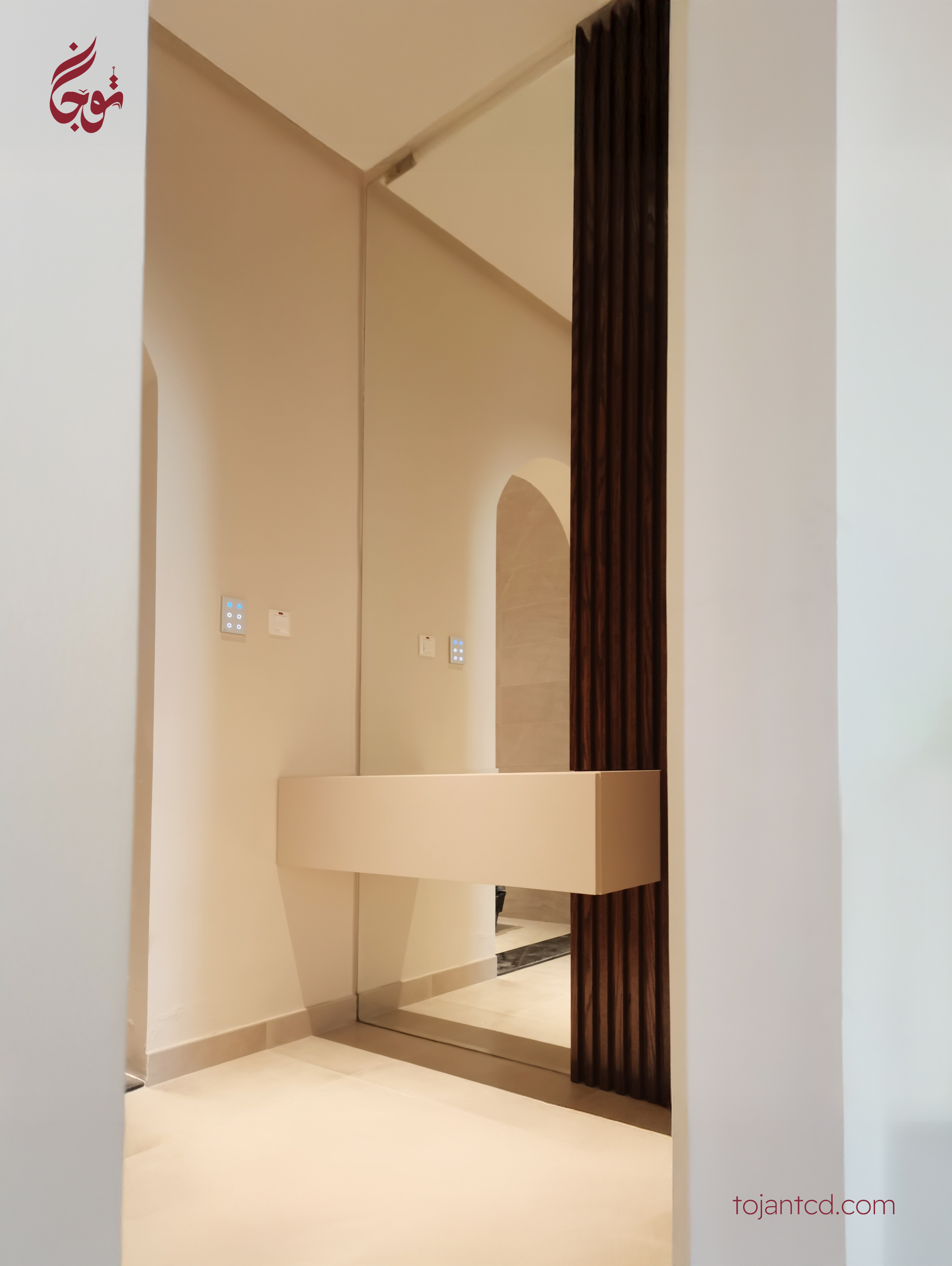
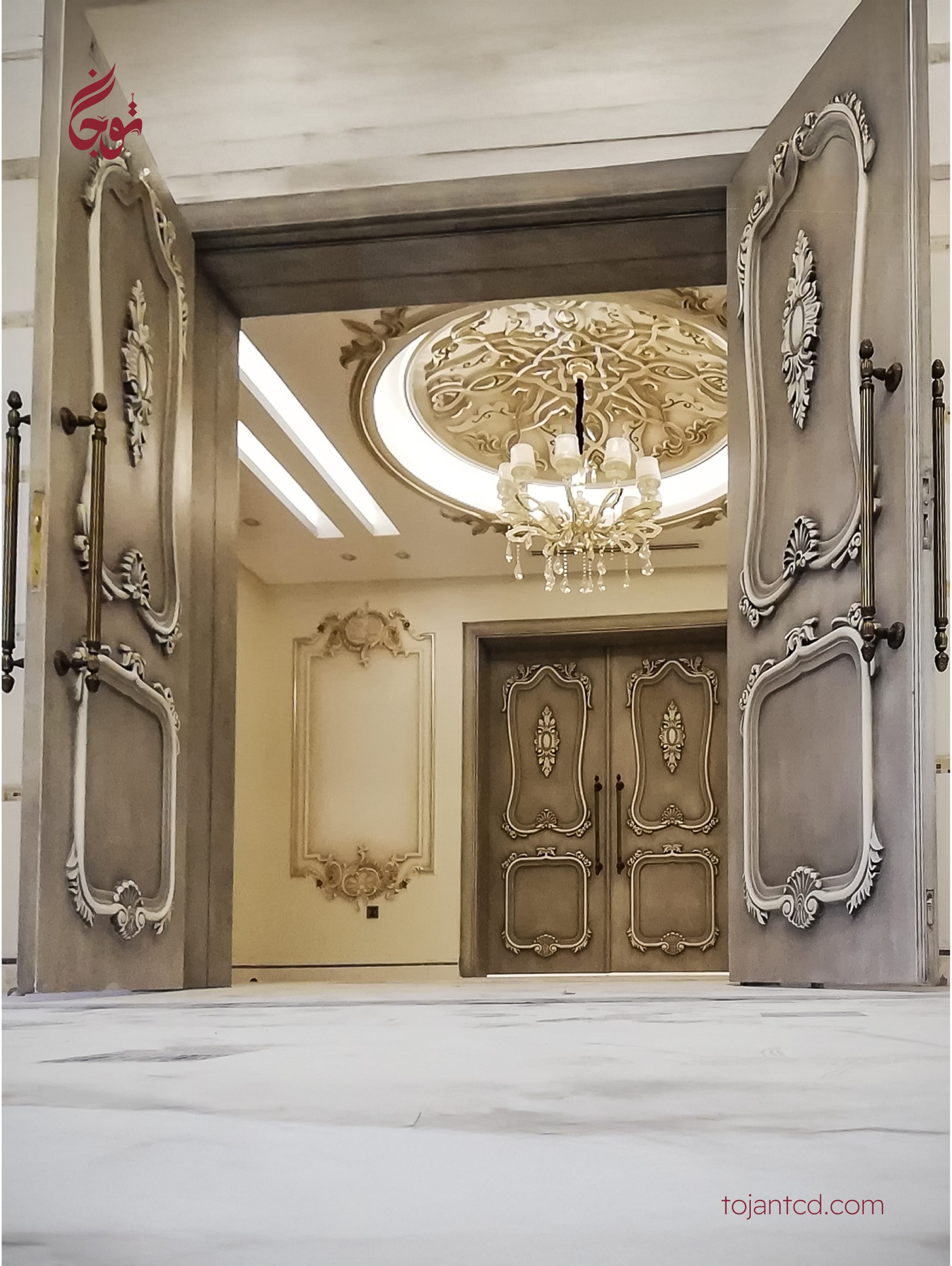
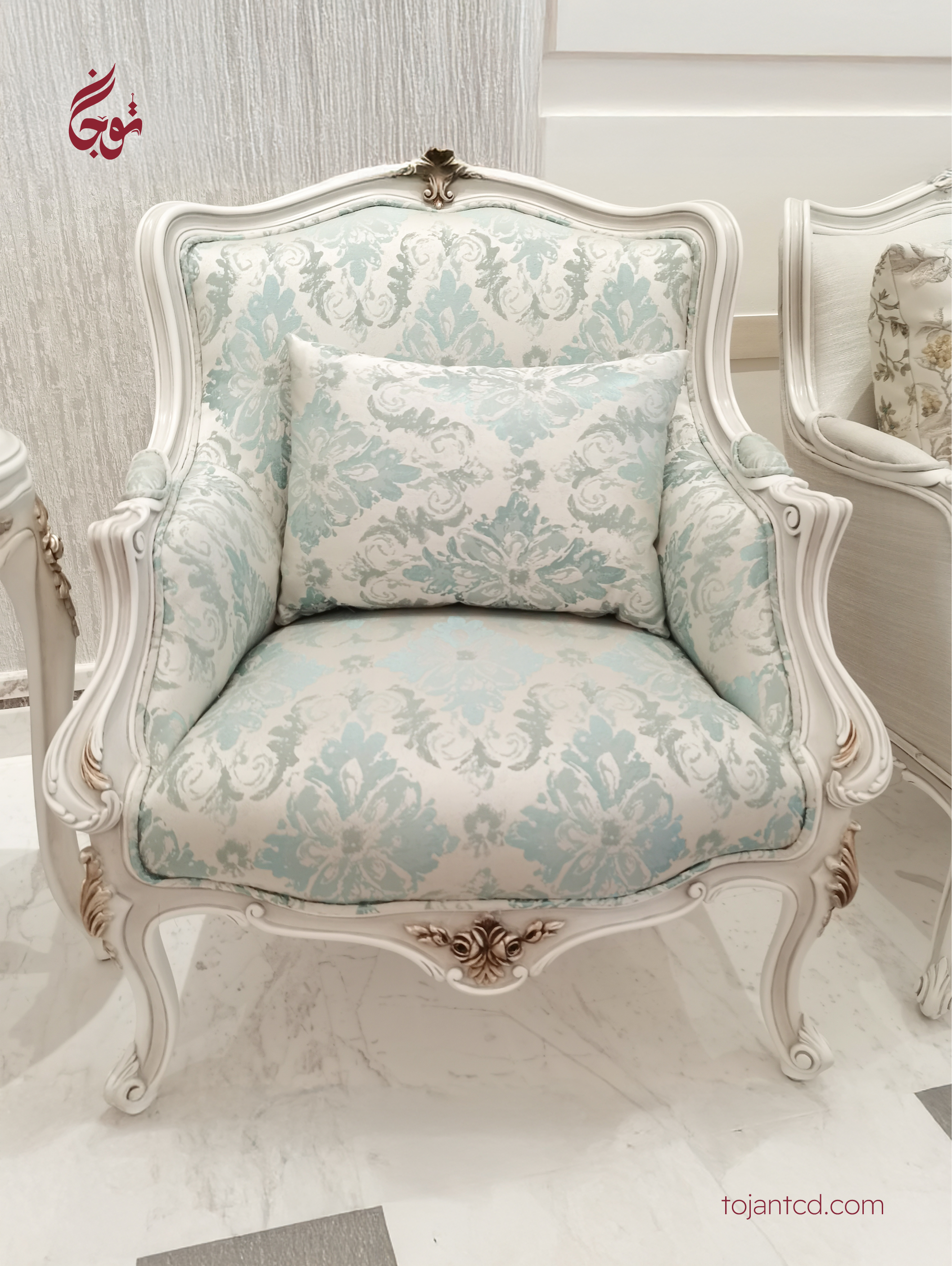
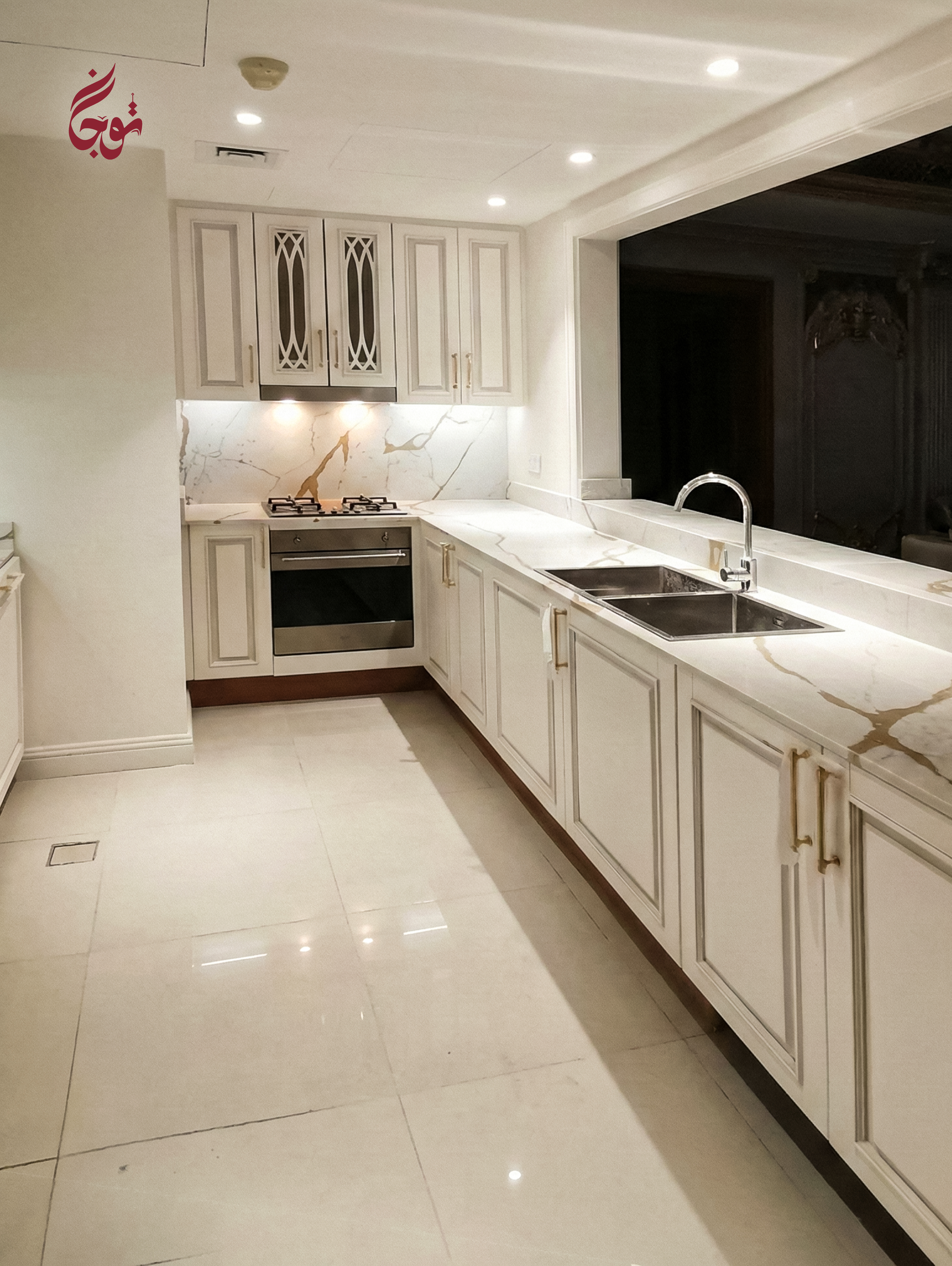
The finish on a piece of joinery decides almost everything you actually experience: how it catches the light in a majlis, whether fingerprints show on a kitchen door, how it behaves when the AC switches off for a weekend and the humidity creeps up. Many clients spend months choosing a timber species and then treat the finish as an afterthought, when in Abu Dhabi the finish is often the part that fails first. This guide breaks down the four finishes that matter most for UAE interiors, lacquer, oil, matte and veneer, with honest trade-offs and climate-specific advice from our workshop. If you want to see how these finishes read in real rooms, browse our projects or explore the full range of our services.
What a Wood Finish Actually Does
A finish is the layer that sits between raw timber and the room. It controls three things at once: protection, appearance, and how the wood ages. Protection matters most in the UAE because timber is a living material that swells when it absorbs moisture and shrinks when it dries. A good finish slows that exchange. Appearance is the obvious part, gloss versus matte, warm versus neutral. Aging is the one buyers forget: an oiled walnut top will deepen and patinate over years, while a lacquered panel is meant to look the same on day one and day three thousand.
There is no single best finish. There is only the right finish for a specific surface, a specific room, and a specific tolerance for maintenance. A finish that is perfect for a low-traffic majlis feature wall is the wrong choice for a kitchen worktop that meets hot pans and citrus daily.
Lacquer vs Oil Finish: The Core Decision
The lacquer vs oil finish question is the one we field most often, because the two represent opposite philosophies. Lacquer builds a film on top of the wood. Oil soaks into the wood and hardens inside the fibres. That single difference drives every practical trade-off.
- Lacquer (film finish): sprayed in coats and cured to a hard, sealed shell. Excellent moisture resistance, easy to wipe clean, available from dead matte to high gloss. The downside: when it is damaged, you usually cannot spot-repair it invisibly. You refinish the whole panel.
- Oil (penetrating finish): hardwax oils and natural oils sink in and leave the surface feeling like real wood, not plastic. Repairs are easy, sand the scratch and re-oil that area. The downside: less of a moisture barrier, and it needs re-oiling every one to three years on high-use surfaces.
- Look and feel: oil reads warmer and more tactile, lacquer reads cleaner and more uniform.
- Maintenance: lacquer is lower effort day to day, oil is more forgiving long term because it is renewable.
For a working kitchen in a villa with heavy use, we usually lean lacquer for the doors and a hardened surface for worktops. For a dining table or a majlis where the owner loves the feel of real timber and accepts light upkeep, oil wins.
Matte Wood Finish: Quiet Luxury, With Caveats
The matte wood finish has become the default request for modern Abu Dhabi interiors, and for good reason. Matte hides micro-scratches, reduces glare under bright downlights, and reads as understated and expensive rather than shiny and showroom. It pairs beautifully with the neutral stone and plaster palettes common in new villas.
But matte has two honest caveats buyers should know before they commit. First, very low-sheen surfaces can show fingerprints and oils more on dark colours, the matt texture grabs skin oil. Second, true dead-matte lacquers are slightly more delicate to clean than satin, harsh abrasive pads can burnish a shiny spot into the matte. The fix is simple: choose a 5 to 10 percent sheen rather than absolute zero on high-touch items like doors and handles areas, and reserve dead matte for vertical, low-contact surfaces.
- Best for: wardrobes, feature walls, majlis panelling, headboards, low-traffic cabinetry.
- Use with care on: dark kitchen doors and drawer fronts that are touched constantly.
- Cleaning: soft microfibre and a pH-neutral cleaner only, never scouring pads.
Veneer Finish UAE: Real Wood, Engineered to Behave
A veneer is a thin slice of real timber bonded to a stable engineered core such as MDF or plywood. For the UAE climate this is often the smartest choice, not a compromise. Because the core does not move the way solid timber does, a veneer finish UAE clients choose for large doors, wall panels and tall wardrobes stays flat and stable through the swings between humid coastal air outside and dry conditioned air inside.
Veneer also unlocks design moves that solid wood cannot. Book-matched and slip-matched leaves let us run a continuous grain pattern across an entire majlis wall or a four metre wardrobe, with the figure mirroring symmetrically, something impossible to guarantee with solid boards. The finish on top of a veneer can still be lacquer, oil or matte, so you get the species you love with the stability the climate demands.
- Stability: resists warping and splitting better than solid wood in AC-cycled rooms.
- Grain control: book-matching and continuous grain across large spans.
- Value: premium species like walnut or oak at a more efficient cost than solid throughout.
- The one rule: edges must be properly lipped and sealed, exposed raw veneer edges are where cheap work fails.
Finishing for the Abu Dhabi Climate
This is where generic finishing advice falls apart. Abu Dhabi puts timber through a daily stress test: high outdoor humidity near the coast, dry conditioned interiors, and the swing that happens whenever AC is switched off in an unused room or a villa left empty during summer travel. Wood reacts to the difference, and the finish is your buffer.
- Seal every face, not just the show face. Backs, undersides and edges must be finished too. Sealing only the visible side lets one face exchange moisture faster than the other, which is what causes panels to cup and bow.
- Prefer engineered cores for large flat spans. Big solid panels are the most likely to move, veneer over a stable core is the climate-smart answer for wardrobe doors and wall panelling.
- Specify the right sheen for the room. Bathrooms and kitchens, where steam and splashes are routine, favour sealed lacquer over open-pore oil.
- Do not leave villas fully unconditioned for months. If a property sits empty over summer, a low AC or dehumidifier setting protects the joinery far more than any finish can alone.
- Acclimatise before installation. Quality timber should rest in the conditioned space before it is fitted so it settles at the home's real humidity, not the workshop's.
Matching the Finish to the Room
Once you understand the four finishes, the choice becomes a room-by-room decision rather than a single sweeping preference. Here is how we typically guide clients across a villa.
- Majlis and formal sitting: matte or satin lacquer over veneer for continuous grain feature walls, or oiled solid timber for tables and tactile pieces.
- Luxury kitchen: sealed lacquer doors for wipe-clean durability, with a hardened surface on worktops.
- Wardrobes and dressing rooms: veneer with matte lacquer for stability across tall doors and a refined, low-glare look.
- Dining and statement furniture: oil for warmth and renewable repairability where owners value the feel of real wood.
- Bathrooms and vanities: fully sealed lacquer, never open oil, because of constant moisture.
The style of the room matters too. If you are weighing a more ornate versus a cleaner aesthetic, our guide on neo-classic versus modern interiors pairs naturally with these finish choices, and our reception desk design guide shows how finish drives first impressions in commercial spaces.
How We Finish Joinery at Tojan
Finish quality is decided long before the spray gun comes out. The substrate has to be flawlessly prepared, because every finish, especially matte and high gloss, reveals what is underneath rather than hiding it. Our process is built around control: dust-managed spray conditions, multiple thin coats rather than one heavy one, intermediate sanding between coats, and full curing time before handling.
We also finish for the long term, not just for the photo at handover. That means sealing hidden faces, lipping veneer edges properly, and advising the client on realistic maintenance so the piece still looks right in five years. If you want finish samples on your actual chosen species before committing, we prepare physical swatches, the only honest way to judge sheen and colour under your own lighting. Start that conversation through our contact page.
Frequently asked questions
Which is better for a UAE kitchen, lacquer or oil?
For most Abu Dhabi kitchens we recommend lacquer on doors and drawer fronts because it forms a sealed, wipe-clean barrier that handles steam, splashes and frequent cleaning better than oil. Oil suits warmer, lower-traffic pieces like dining tables where the owner enjoys the natural feel and accepts periodic re-oiling.
Does a matte wood finish scratch more easily?
Matte does not scratch more easily, in fact it hides fine micro-scratches better than gloss. The real considerations are that dark matte surfaces can show fingerprints and that you must clean them with soft microfibre and a pH-neutral cleaner, never abrasive pads, which can burnish a shiny mark into the matte texture.
Is veneer lower quality than solid wood?
No. A quality veneer over a stable engineered core is often the better choice in the UAE because it resists the warping and cupping that solid timber suffers when rooms swing between humid and dry AC conditions. It also allows continuous, book-matched grain across large doors and walls. The key is proper edge lipping and a well-bonded core.
How often does an oil finish need maintenance in Abu Dhabi?
On high-use surfaces like dining tables, plan to re-oil every one to three years, sooner if the surface starts to look dry or feel rough. Low-contact pieces can go much longer. The advantage is that re-oiling is a simple spot or full refresh you can often do without refinishing the whole piece, unlike lacquer.
Can I get the same wood species in different finishes?
Yes. Species and finish are separate decisions. The same walnut or oak can be lacquered, oiled or left matte, and can appear as solid or as veneer over a stable core. We prepare physical samples on your chosen species and sheen so you can judge colour and reflectivity under your own home lighting before committing.
Planning a bespoke piece?
Tell us about your space and we'll turn it into something worth keeping.
Request a quote