Interiors
Majlis Interior Design: Blending Heritage and Modern Woodwork
Tojan TCD7 min read
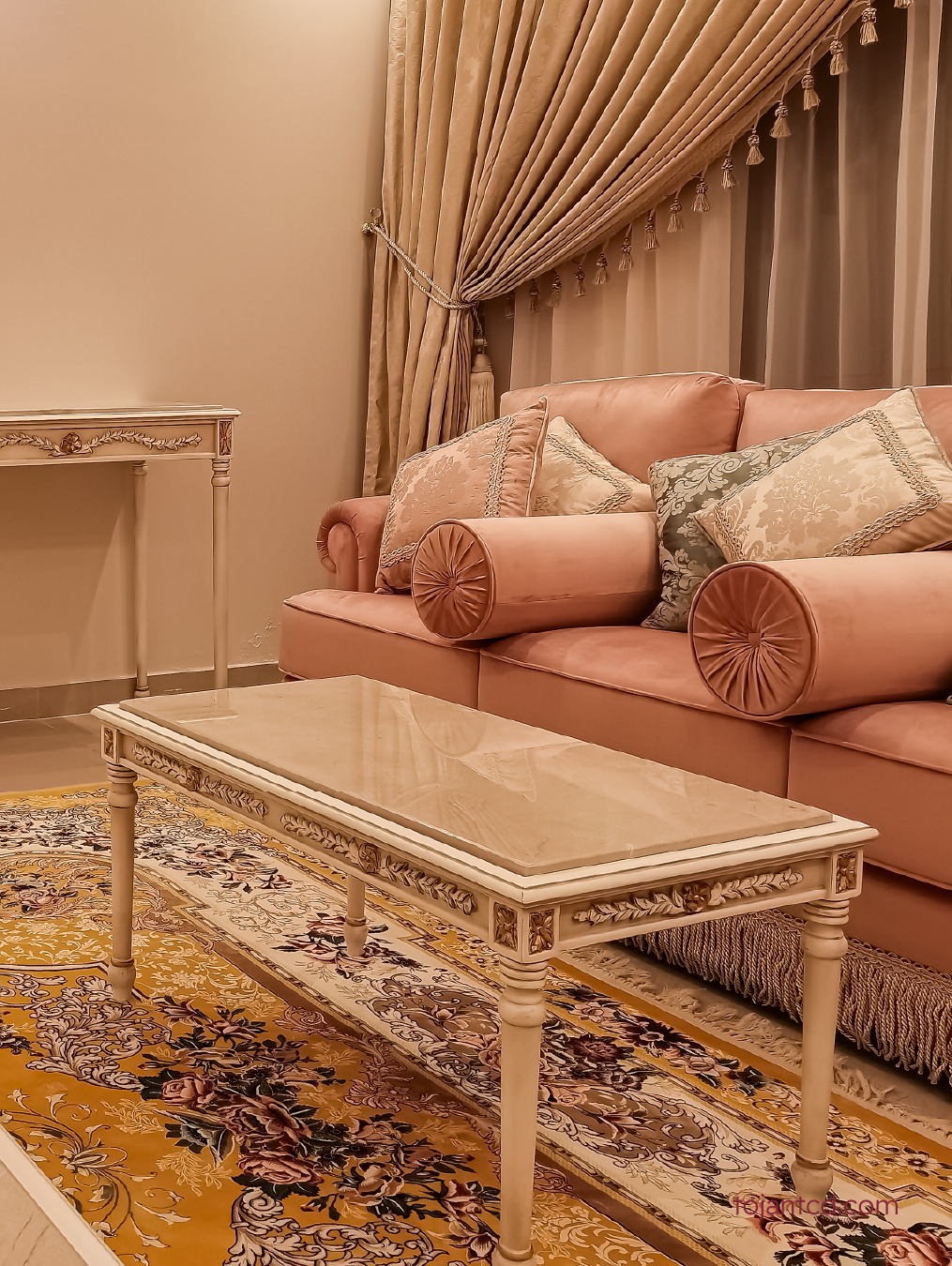
The majlis is the heart of an Emirati home. It is where guests are received, where coffee and dates pass between generations, and where a family quietly tells visitors who they are. Getting the majlis right means honoring centuries of hospitality while building something that feels current, comfortable, and durable in the Abu Dhabi climate. This guide explains how thoughtful majlis design pairs heritage detail with modern woodwork, what materials survive UAE humidity and air conditioning, and how to commission a majlis that looks effortless yet lasts decades. See our full range on the services page.
Why the Majlis Still Defines the Emirati Home
Long before fitted kitchens and dressing rooms, the majlis was the most important room in the house. Its name comes from the Arabic verb to sit, and that single idea, sitting together, still shapes how the space is designed. A majlis is not a living room borrowed from the West. It is a dedicated hospitality room with its own etiquette: a clear seating order, a place for the host, room for many guests, and a generous sense of openness that signals welcome.
Modern majlis interior in Abu Dhabi has to do two jobs at once. It must respect this tradition so that elders and guests feel the room is correct, and it must feel contemporary enough for younger family members and the way villas are built today. Woodwork is what bridges those two worlds. The right paneling, screens, and joinery can carry heritage motifs while keeping clean, modern proportions.
Heritage Elements Worth Keeping in Modern Majlis Design
You do not need to copy a museum interior to honor tradition. A few well chosen heritage cues, executed in fine woodwork, do more than a room crowded with ornament. The most effective elements to carry forward are:
- Mashrabiya screens: latticed wooden panels that filter light, add privacy, and cast beautiful shadow patterns across the floor.
- Geometric paneling: Islamic geometry rendered as subtle wall paneling or ceiling detail rather than loud carving.
- Carved doors: a statement entrance door sets the tone before a guest even enters.
- Built-in seating frames: low wooden platforms and frames that support the traditional floor-level majlis seating.
- Niches and display recesses: wooden alcoves for the dallah coffee pot, incense burners, and family pieces.
Our team detailed several of these in recent villa projects you can view on the projects page.
Bringing Modern Woodwork Into the Majlis
Contemporary majlis design earns its modern feel from restraint, not from stripping away identity. The trick is to take heritage motifs and simplify their geometry, widen the spacing, and let good materials speak. A mashrabiya screen becomes a feature wall when the lattice is enlarged and backlit. A carved border becomes a single crisp reveal line cut into a smooth panel.
Modern Arabic majlis woodwork tends to favor:
- Large-format flush paneling with concealed fixings for a seamless wall.
- Veneers in walnut, oak, and warm neutral tones rather than heavy dark stains.
- Slim metal inlays, often brass or champagne, set into timber for a quiet luxury accent.
- Integrated, dimmable lighting washing across textured wood surfaces.
- Hidden storage and concealed doors that keep the walls calm and uninterrupted.
The result reads as luxurious and current while still feeling unmistakably a majlis.
Designing for the Abu Dhabi Climate
This is where many imported designs fail. Abu Dhabi pairs high outdoor humidity with constant, cold air conditioning indoors, and that cycle is brutal on wood. Timber expands when it absorbs moisture and contracts when the AC dries the air, so panels that were not engineered for it will crack, warp, or open at the joints within a couple of seasons.
For a majlis that stays flawless, we recommend:
- Engineered cores: use marine-grade or moisture-resistant plywood and MDF cores rather than solid slabs for large panels, so the surface stays stable.
- Acclimatization: store and rest the timber on site for several days before installation so it adjusts to the room before being fixed.
- Quality veneers over stable substrates: you get the beauty of real wood without the movement of a solid board.
- Sealed edges and backs: finishing all six faces of a panel, not just the visible one, stops moisture entering from behind.
- Controlled humidity: aim to keep the majlis between 45 and 55 percent relative humidity and avoid blasting the AC vents directly onto wood walls.
For more on choosing stable, beautiful species, the durability of oak makes it a reliable choice when properly engineered and sealed.
Choosing Materials, Wood, and Finishes
Material choice sets both the mood and the maintenance level of the majlis. The species and finish should suit how the room is used: a formal guest majlis can carry richer, darker tones, while a family majlis benefits from lighter, more forgiving surfaces.
- Walnut: deep, warm, and luxurious; ideal for a formal majlis feature wall.
- Oak: versatile and durable, takes both light Scandinavian and warm finishes well.
- Ash and maple: pale and modern, excellent for bright contemporary majlis schemes.
- Brass and champagne metal inlays: add the Gulf sense of refined luxury without heavy gilding.
On finishes, matte and satin lacquers hide fingerprints and dust far better than high gloss, which is a real advantage in a desert climate where fine dust is constant. Open-pore natural finishes show the grain beautifully and are easy to touch up over the years.
Lighting, Layout, and Acoustics
Woodwork and light work together. A panel that looks plain under flat lighting comes alive when a warm wash grazes across its surface and reveals the grain or the lattice shadow. Plan the lighting and the joinery as one design, not as an afterthought.
- Map the seating order first, with the host position and the main guest seats, then design paneling and lighting around it.
- Use layered light: a soft general layer, accent lighting on feature wood walls, and concealed strips inside niches.
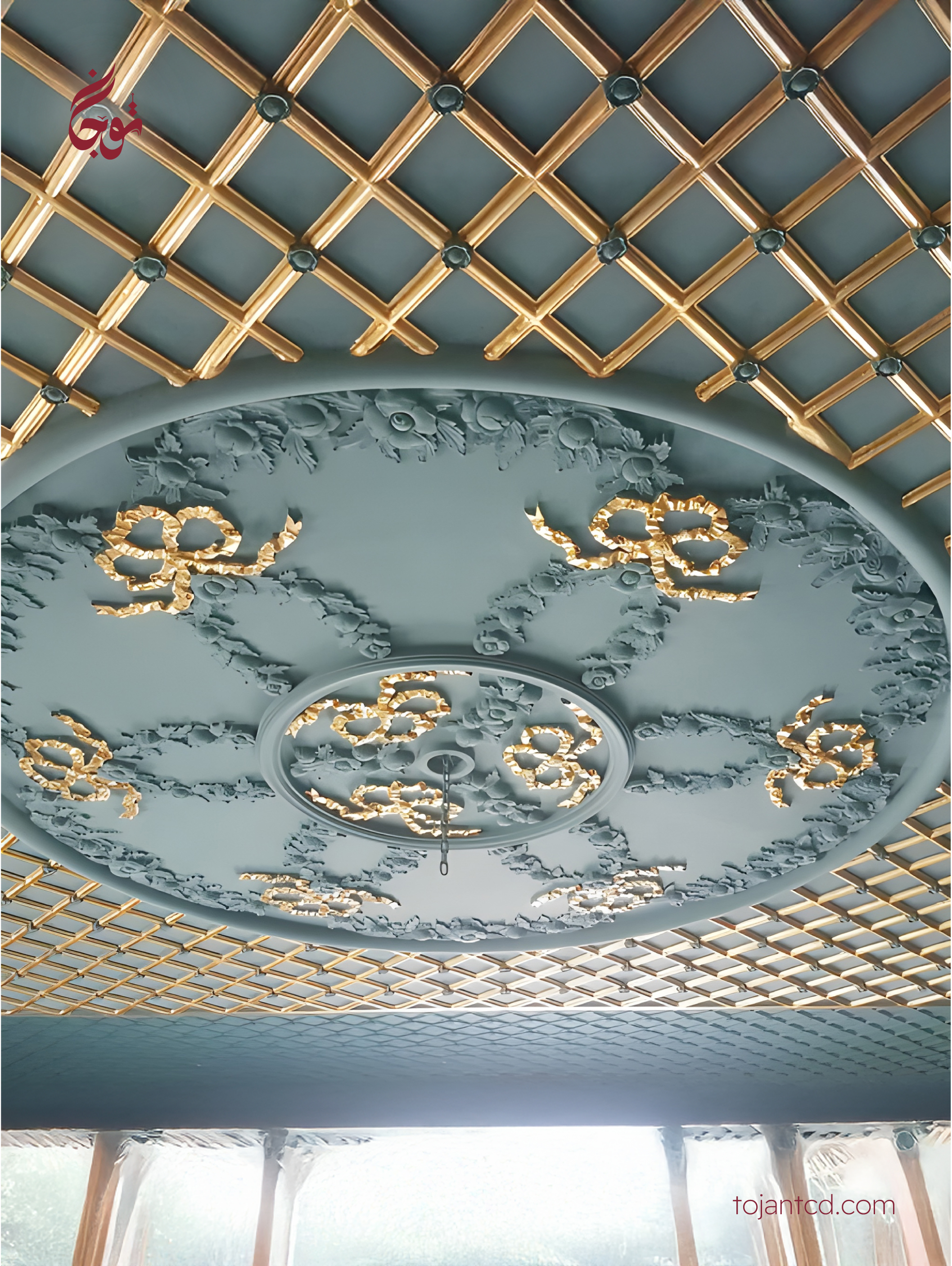
- Keep ceilings considered; a timber ceiling detail or coffered section adds warmth and helps tame echo.
- Build acoustic softening into the design, since hard surfaces and high ceilings make a majlis ring; upholstered seating and timber slat panels with backing absorb sound.
A majlis that sounds calm feels more hospitable, and guests stay longer in a room that is easy to talk in.
Commissioning a Custom Majlis in the UAE
A custom majlis UAE project runs more smoothly when you understand the steps. Bespoke joinery is not bought off a shelf; it is measured, drawn, made, and fitted to your exact room. A typical Tojan process looks like this:
- Consultation: we discuss how you host, how many guests, and the style direction.
- Site survey: precise measurements of walls, ceilings, services, and AC positions.
- Design and shop drawings: detailed drawings and material samples for sign off.
- Workshop fabrication: panels, screens, and seating frames built and finished in controlled conditions.
- Installation and snagging: careful fitting on site, then a final walk-through to perfect every joint.
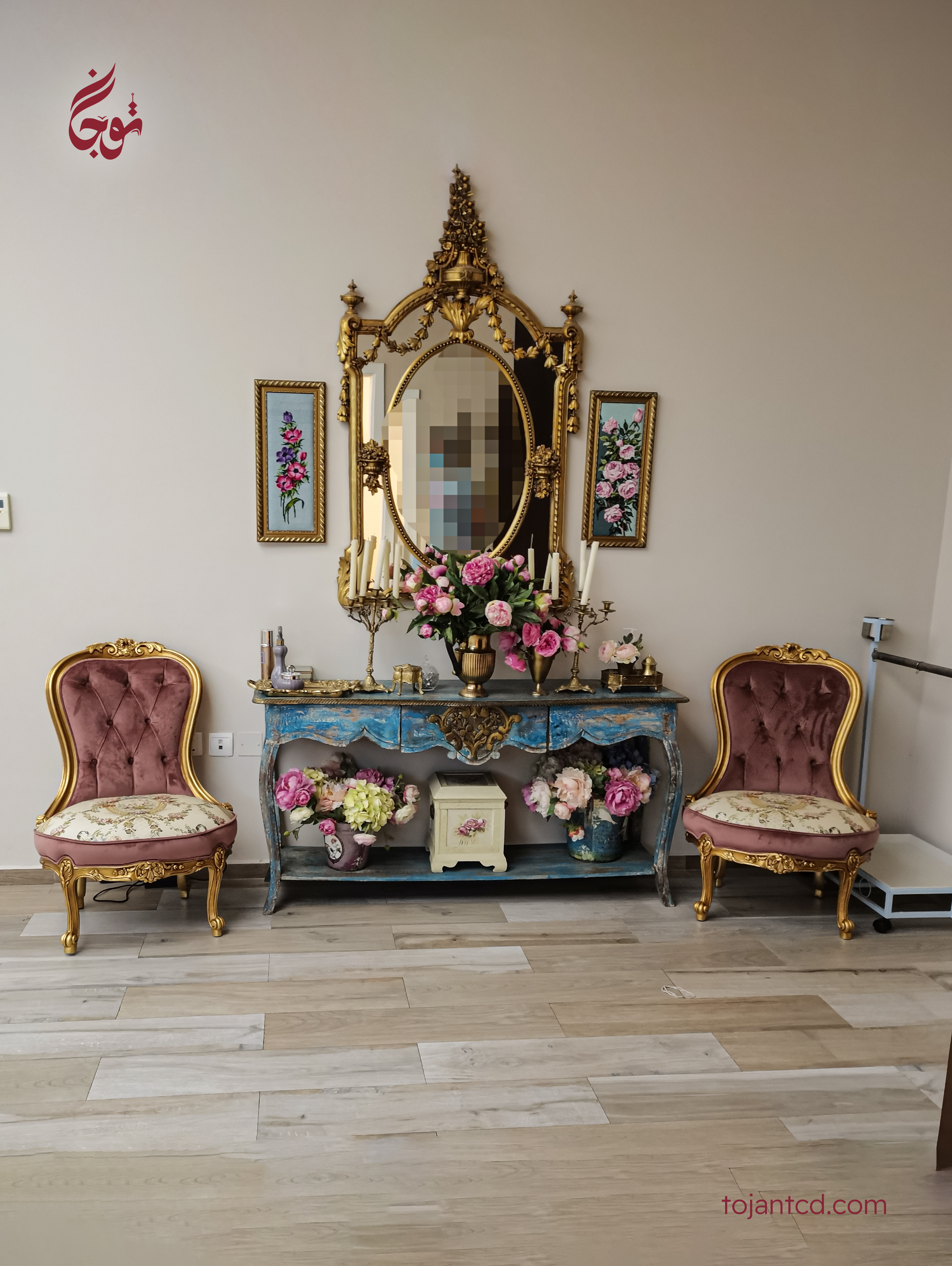
If you are styling adjoining spaces, our guides on console table design and styling and wooden staircase and railing ideas pair well with a majlis refresh. When you are ready, reach out through our contact page to start a design conversation.
Frequently asked questions
How much does a custom majlis cost in Abu Dhabi?
Cost depends on size, the species of wood, the amount of carved or mashrabiya detail, and the finish. A simple panelled majlis is far more affordable than one with full custom screens, integrated lighting, and walnut veneers. The best approach is a site survey so we can quote against your exact room and ambitions rather than a generic figure.
How long does it take to design and build a majlis?
Most custom majlis projects run from about six to ten weeks. That covers consultation and design sign off, then workshop fabrication, then installation. Highly detailed schemes with extensive carving or large screen walls take longer, while panelling-led modern designs are faster.
Will the woodwork crack because of the air conditioning?
Not if it is engineered for the climate. We use moisture-resistant cores, acclimatize timber on site before fitting, and seal all faces of every panel. Combined with keeping the room around 45 to 55 percent humidity and not pointing AC vents straight at wood walls, this keeps a UAE majlis stable for years.
Can a majlis look modern and still feel traditional?
Yes, and that balance is the goal of good majlis design. We keep the heritage cues that matter, such as a welcoming layout, screen detail, and niches for coffee service, then simplify the geometry and use clean modern materials. The room feels current to younger family members while still reading as a correct majlis to elders and guests.
Do you provide majlis seating and upholstery as well?
Yes. We design the built-in seating frames and platforms as part of the woodwork, and we coordinate the upholstery, cushions, and fabrics so the joinery and the soft furnishings work as one finished scheme rather than mismatched pieces.
Planning a bespoke piece?
Tell us about your space and we'll turn it into something worth keeping.
Request a quote