Decor
Gypsum Ceiling Designs & Decorative Ceilings in the UAE
Tojan TCD8 min read
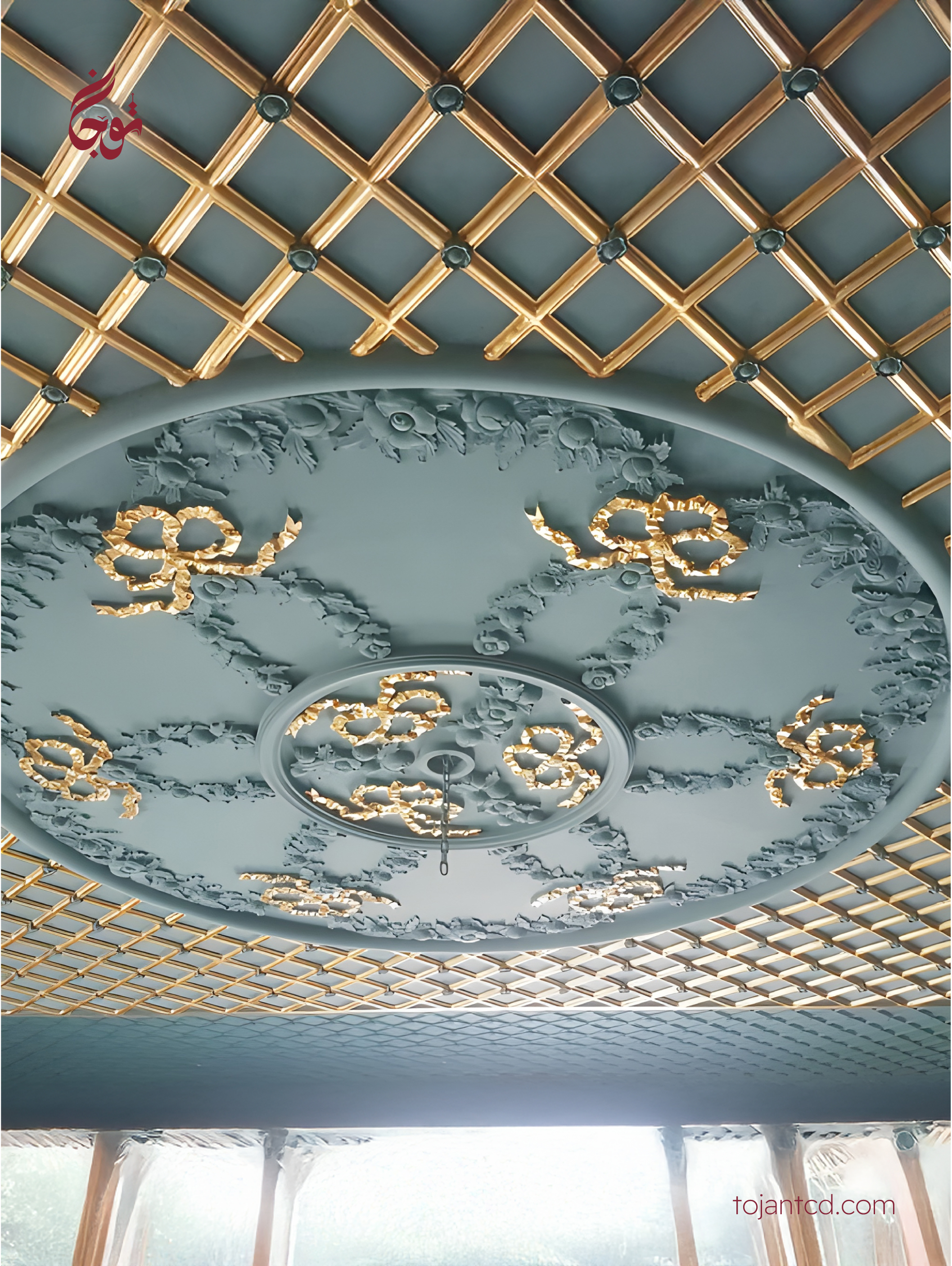
A ceiling is the largest uninterrupted surface in any room, yet it is the one most owners forget until the joinery and lighting are already in place. In an Abu Dhabi villa or majlis, the right gypsum ceiling designs do three jobs at once: they hide the air-conditioning ductwork and wiring, they carry warm layered light instead of a single harsh bulb, and they give a room a sense of height and calm proportion. At Tojan TCD we treat the ceiling as part of the same composition as the wall paneling and the doors, so the lines meet, the shadows fall where you want them, and nothing looks added on afterwards. This guide covers the materials, the popular styles, the climate realities of the Gulf, and the practical steps to plan a decorative ceiling that still looks new in ten years. For the full picture you can also pair it with our work on majlis interior design and wood wall paneling and feature walls.
What a Gypsum False Ceiling Actually Is
A gypsum false ceiling, sometimes called a suspended or dropped ceiling, is a second ceiling built below the original concrete slab. It is made from gypsum board fixed to a hidden metal frame, then taped, skimmed, and painted so the joints disappear. The gap between the slab and the new surface is where services live: AC ducts, diffusers, sprinkler lines, speaker wiring, and the recessed and cove lighting that makes the room feel finished.
Gypsum is favoured across the UAE because it is light, fire resistant, smooth enough for a flawless paint finish, and easy to mould into curves, coves, and stepped trays. It is the base layer of most plasterwork ceilings you see in modern Gulf villas, and it pairs cleanly with timber, brass inlay, and decorative panels when you want more than a flat white plane.
Popular Ceiling Design Ideas for UAE Homes
There is no single correct ceiling. The right one follows the room size, the height available, and the mood you want. These are the configurations we are asked for most often in Abu Dhabi and Al Ain:
- Single tray (peripheral) ceiling: a recessed border around the room with concealed cove lighting. It adds perceived height and is ideal for bedrooms and formal sitting rooms.
- Multi-level stepped ceiling: two or three layers stepped down toward the centre, used in large majlis and double-height entrances to break up scale.
- Coffered ceiling: a grid of recessed panels, often combined with wood beams or moulding, for a classic and substantial feel.
- Floating or island ceiling: a detached gypsum plane suspended over a dining table or seating cluster, lit from behind to appear weightless.
- Curved and freeform shapes: sweeping arcs and circular drops that soften an otherwise boxy room and guide the eye.
- Minimal flat ceiling with linear light: a single clean plane with a recessed linear slot, for owners who want quiet, contemporary restraint.
For a luxury majlis we usually combine a decorative ceiling with matching joinery so the timber tones, the cove shadow line, and the wall panels read as one designed whole rather than separate trades meeting by accident.
Lighting Is Half the Ceiling Design
A decorative ceiling without a lighting plan is wasted money. The ceiling is the frame; light is the picture. We design the two together so the wiring routes, transformer locations, and dimming zones are decided before a single board goes up.
- Cove (concealed) lighting: warm LED strips hidden in the tray that wash the ceiling and create a soft floating glow. Use 2700K to 3000K for a warm Gulf-home feel.
- Recessed spots: placed deliberately over art, seating, and circulation, never in a thoughtless grid.
- Linear slot lighting: for modern, minimal rooms where you want light without visible fixtures.
- Decorative centrepiece: a chandelier or pendant in a majlis, with the ceiling shaped to support and frame it.
Insist on dimmable, replaceable LED drivers and leave access. A sealed cove with no maintenance point becomes an expensive problem the first time a strip fails.
Designing for the Abu Dhabi Climate: Humidity and AC
This is where many ceilings quietly fail in the UAE. The interplay of heavy air-conditioning, summer humidity, and the cool surface of a ceiling creates condensation risk that a generic design ignores. Plan for it from the start:
- Specify moisture-resistant board in wet zones: green or water-resistant gypsum board for areas near bathrooms, kitchens, and the majlis wet pantry. Standard board swells and stains when it meets repeated humidity.
- Insulate AC ducts and chilled-water lines above the ceiling: uninsulated cold ducts sweat, and that water lands on your gypsum, leaving brown stains within a season.
- Position diffusers to avoid blowing cold air directly onto the gypsum face: direct cold streams on a warm surface cause black dust marking around the vent over time.
- Allow ventilation in the plenum: the void above the ceiling should not become a sealed humid pocket. This matters most in villas left empty during the summer.
- Use anti-fungal primer and quality paint: Gulf humidity rewards good primer and punishes cheap emulsion that blisters.
For coastal Abu Dhabi and Saadiyat properties especially, the combination of salt air and high humidity makes material grade and proper detailing non-negotiable.
Combining Gypsum with Wood and Decorative Panels
The most striking ceilings in luxury UAE homes are rarely pure gypsum. They mix the smooth plaster plane with warmer materials so the surface has depth and craft. This is our core strength as a joinery house.
- Timber beams and slats: real or engineered wood inset into the gypsum for a coffered or linear rhythm. Oak and walnut tones suit modern Emirati interiors.
- Brass and metal inlay: thin reveal lines that catch the cove light and add quiet luxury.
- Decorative carved panels: Arabic geometric or mashrabiya-inspired centrepieces for a majlis ceiling.
- Acoustic panels: fabric or perforated wood sections in media rooms and large majlis where echo is a problem.
Because the same workshop that builds your ceiling detail can build the matching wall paneling, doors, and cabinetry, the timber species, stain, and grain direction stay consistent across the whole room. See how we approach it in our services and browse finished rooms in our projects.
Choosing the Right Ceiling for Each Room
Match the ceiling to how the room is used and how tall it is. A heavy multi-level tray in a low bedroom only makes it feel lower.
- Majlis and formal sitting: the room that deserves the most ambition, decorative trays, a centrepiece, and layered cove light.
- Living and family rooms: a simple peripheral tray or floating plane that warms the space without dominating it.
- Bedrooms: calm, soft, dimmable cove light, nothing that draws the eye when you are lying down.
- Dining: an island ceiling centred on the table to anchor the room.
- Entrance and stairwell: double-height drama where the ceiling sets the first impression of the home.
How the Process Works at Tojan TCD
A decorative ceiling is a sequence, and skipping a step shows later. Our process keeps every trade coordinated:
- Site survey and measurement: we record true slab heights, duct positions, and beam locations, since real sites are never as flat as the drawings.
- Design and 3D visual: we produce a ceiling and lighting layout so you see the shadow lines and finishes before committing.
- MEP coordination: we agree duct, diffuser, sprinkler, and wiring routes with the other trades so nothing clashes inside the void.
- Framing and boarding: moisture-grade board where needed, with access panels designed in, not cut later.
- Skim, prime, and paint: taped joints, level-5 finish in feature areas, anti-fungal primer for the climate.
- Lighting and integration: install strips, drivers, and fixtures, then commission the dimming zones.
- Handover: we walk you through access points and maintenance so the ceiling stays serviceable.
Ready to plan a ceiling for your villa or majlis? Contact us and we will arrange a site visit in Abu Dhabi.
Frequently asked questions
How much height does a gypsum false ceiling take up?
Plan for roughly 10 to 25 cm below the slab for a simple flat or peripheral ceiling, and more where ducts run or where a multi-level design is involved. We confirm the exact drop on site after checking duct depth, because the air-conditioning routing usually decides the minimum, not the design.
Will a gypsum ceiling crack or stain in the UAE climate?
Properly built, it should not. Most cracks come from poor framing or rushed jointing, and most stains come from uninsulated cold ducts sweating above the board. We use moisture-resistant board in wet zones, insist on insulated ducts, and use anti-fungal primer, which is what protects the ceiling in Gulf humidity.
Can I add cove lighting to an existing ceiling?
Sometimes, but it depends on the current height and whether there is room to build a tray below the slab without making the room feel low. The cleaner result is to design the cove and the ceiling together. We can assess your existing ceiling during a site visit and tell you honestly what is possible.
What is the difference between a flat and a multi-level ceiling?
A flat ceiling is one clean plane, ideal for low rooms and minimal interiors. A multi-level ceiling steps down in layers to add depth and define zones, and it suits taller rooms like a majlis or a double-height entrance. The right choice is driven by your ceiling height and the mood you want.
Do you handle both the ceiling and the matching woodwork?
Yes, that is our advantage as a custom joinery house. The same workshop builds the ceiling detail, the wall paneling, the doors, and the cabinetry, so the timber species, stain, and lines stay consistent across the whole room instead of being matched approximately by separate contractors.
Planning a bespoke piece?
Tell us about your space and we'll turn it into something worth keeping.
Request a quote