Process
How to Plan a Full Interior Fit-Out Project in the UAE
Tojan TCD8 min read
A full interior fit-out is one of the largest decisions a homeowner makes, and in the UAE the stakes are higher than the design alone. The Abu Dhabi climate, the way villas are zoned around a formal majlis, and the constant battle between humidity and air conditioning all shape what survives and what warps within a year. This interior fit-out UAE guide walks you through scope, budget, permits, materials, and contractor selection so your investment looks as good in five years as it does on handover day. If you want to see the standard we hold ourselves to, explore our fit-out and joinery services and recent completed projects.
What a Full Interior Fit-Out Actually Includes
A fit-out is everything that turns a bare or dated shell into a finished, livable interior. People often confuse it with simple decoration, but a true villa fit-out Abu Dhabi project touches structure-adjacent work, services, and bespoke joinery all at once. Knowing the full scope upfront is what keeps a budget from doubling halfway through.
- Demolition and stripping of existing finishes where needed
- Partitions, ceilings, gypsum work, and bulkheads for lighting
- MEP coordination: electrical, plumbing, and crucially HVAC routing
- Flooring, wall finishes, paint, and feature cladding
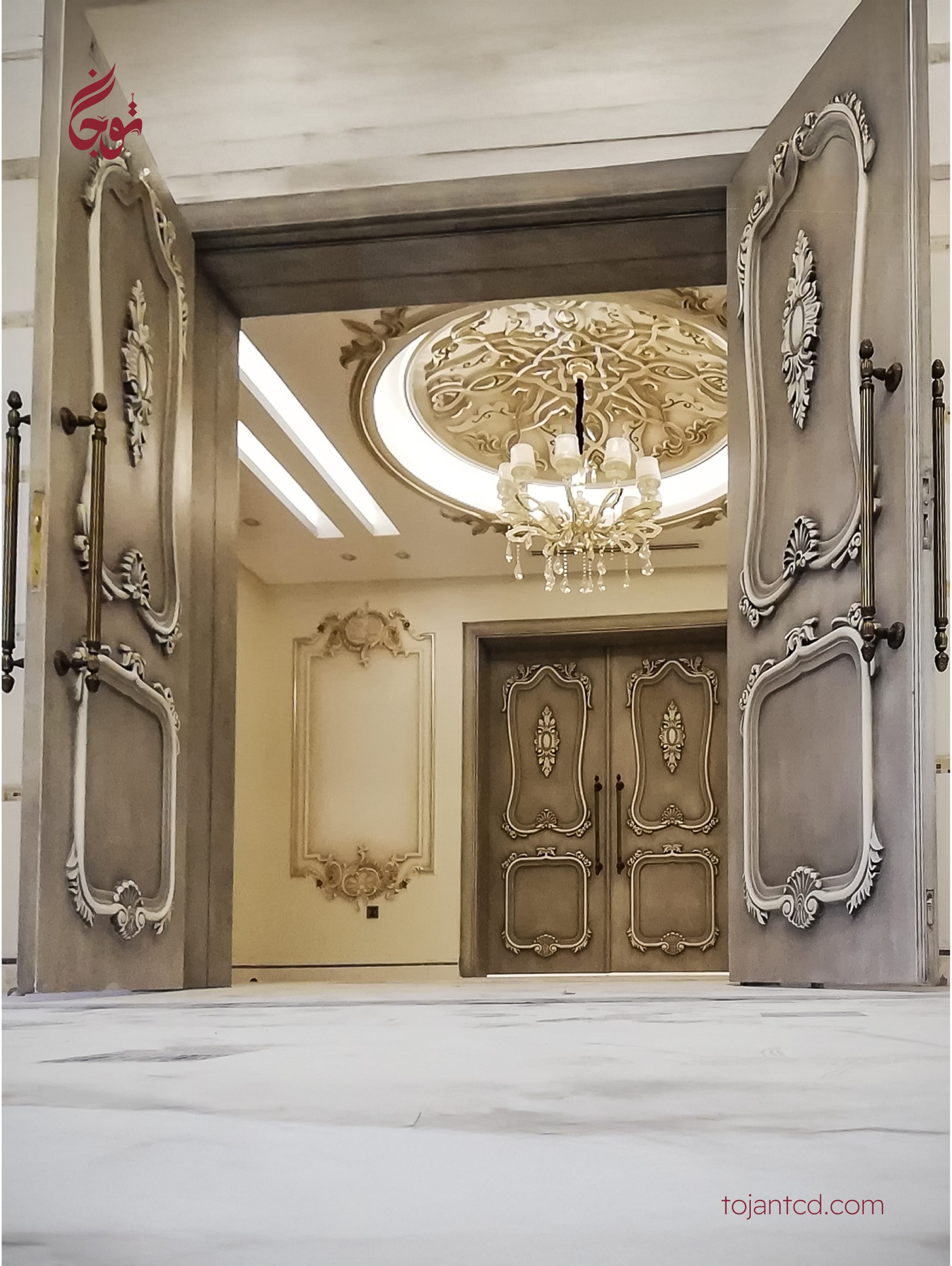
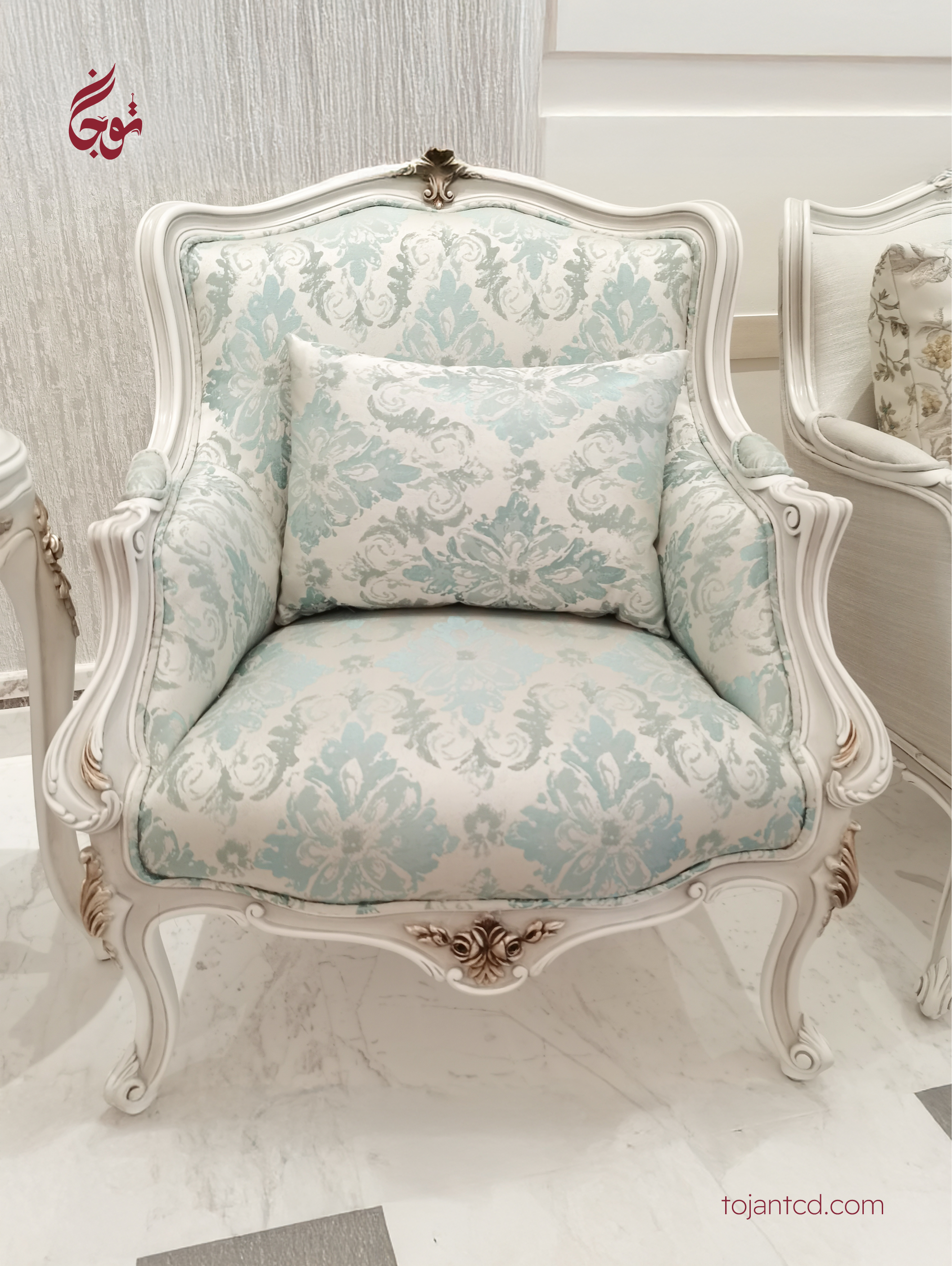
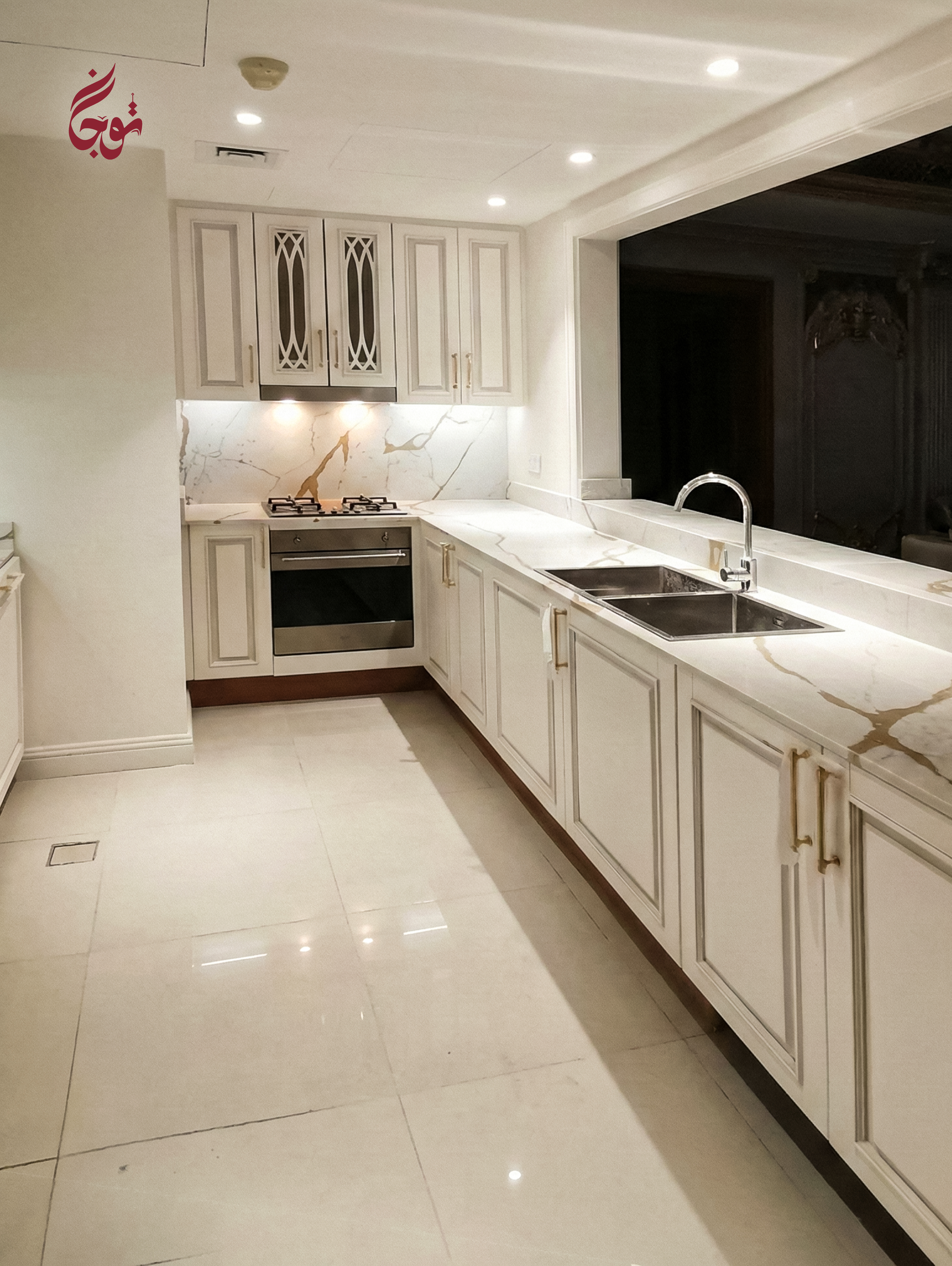
- Custom joinery: doors, wardrobes, kitchens, vanities, and majlis seating units
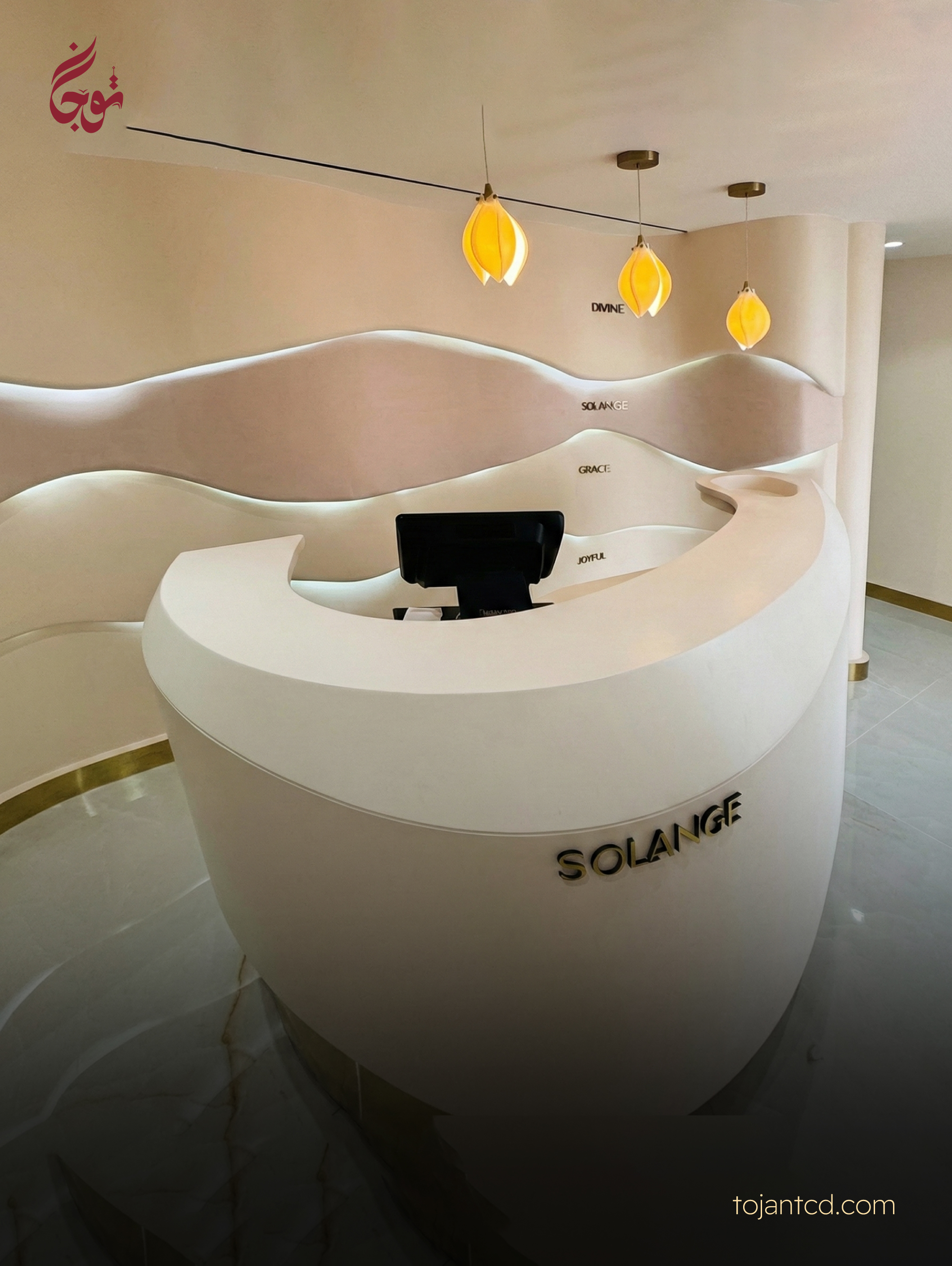
- Lighting design, smart controls, and final styling
The joinery layer is where quality is won or lost, and it is the part most affected by the local climate. For a deeper look at one core element, read our guide to custom wooden doors in Abu Dhabi.
Setting a Realistic Budget and Scope
Before you fall in love with reference images, anchor the project in numbers. A disciplined budget protects the design intent because it forces early decisions instead of expensive mid-project changes. In Abu Dhabi villas, the most common overrun comes from underestimating bespoke joinery and HVAC modifications.
- Define a hard ceiling, then ring-fence a 12 to 15 percent contingency
- Split the budget by zone: majlis, kitchen, bedrooms, bathrooms, outdoor-adjacent spaces
- Prioritize permanent items (joinery, flooring, AC) over easily replaced decor
- Lock material specifications in writing before any cabinet is cut
- Agree a payment schedule tied to milestones, not to dates
Spend the larger share on the elements you touch and see every day: kitchen cabinetry, wardrobe internals, and door hardware. These are also the items that suffer most from poor material choices in a humid, heavily air-conditioned home.
Designing for the Abu Dhabi Climate
This is the section most generic fit-out advice ignores, and it is the single biggest reason interiors fail early in the UAE. Outdoor summer temperatures regularly exceed 45 degrees with high coastal humidity, while interiors are chilled and dehumidified by constant air conditioning. That gap creates a punishing cycle of expansion and contraction for any natural material.
- Specify properly kiln-dried and acclimatized timber, or stable engineered cores, for doors and cabinetry
- Allow expansion gaps in flooring and avoid wall-to-wall rigid installs without movement joints
- Use moisture-resistant board and marine-grade fixings in kitchens and bathrooms
- Seal all six faces of any solid wood door, including top and bottom edges, to block moisture ingress
- Keep solid wood furniture away from direct AC vents to prevent localized drying and cracking
Material choice is the heart of climate resilience. Our breakdown of solid wood vs veneer vs MDF explains which performs best in which room. As a rule, dense hardwoods such as oak behave more predictably than soft, open-grained species in this environment.
Getting the Majlis Right
The majlis is the social heart of an Emirati home and deserves dedicated planning rather than being treated as a spare living room. It needs to host large gatherings, project a sense of generosity, and often serve guests separately from family quarters. A fit-out that misreads the majlis misreads the whole brief.
- Plan perimeter seating that maximizes capacity without crowding the center
- Specify durable, breathable upholstery that tolerates heavy use and frequent cleaning
- Design feature wood paneling or a statement ceiling as the room's focal point
- Layer lighting: ambient, decorative, and warm accent for evening majlis sittings
- Consider acoustics, since hard luxury finishes can make a large majlis echo
Permits, Approvals, and Compliance
Many UAE villa and apartment fit-outs require formal approval before work begins, especially within gated communities and master developments. Skipping this step risks fines, forced reinstatement, and blocked utility connections. A competent interior contractor UAE will manage this paperwork as part of the engagement.
- Developer or community NOC for any structural, facade, or MEP changes
- Municipality or relevant authority approval where scope demands it
- Approved drawings and method statements before mobilization
- Compliance with fire, electrical, and HVAC standards on inspection
Confirm in writing who is responsible for each approval. Reputable contractors include permit handling in the proposal rather than treating it as a surprise extra.
Choosing the Right Interior Contractor
The contractor decision outweighs almost every other choice you make. The same drawings executed by two different teams can produce wildly different results, particularly on bespoke joinery where tolerances are measured in millimeters. Look past the lowest quote and assess capability honestly.
- Review a physical portfolio and, ideally, visit a completed project in person
- Confirm in-house joinery capability rather than fully outsourced subcontracting
- Check references for finishing quality and post-handover support
- Compare detailed line-item quotes, not vague lump sums
- Verify they understand local climate detailing, not just aesthetics
An in-house workshop matters more than most clients realize. It means accountability for material selection, machining accuracy, and warranty. If you would like to discuss your project, get in touch with our team.
Managing the Timeline and Site
A villa fit-out typically runs from several weeks to a few months depending on scope, joinery volume, and approval times. Most delays trace back to late client decisions or materials ordered without lead-time planning. Treat the schedule as a shared document, not a contractor promise.
- Sequence MEP and ceiling work before finishes to avoid rework
- Order long-lead joinery, stone, and imported finishes early
- Hold weekly site walks to catch issues while they are cheap to fix
- Keep a single decision-maker on the client side to prevent stalled approvals
- Plan a proper snagging and de-snagging window before final payment
Protecting Your Investment After Handover
A fit-out is not finished at handover; it is finished after it has survived its first full summer. The transition into peak heat and humidity is the real test of materials and workmanship. A little maintenance discipline preserves the finish for years.
- Keep indoor humidity stable rather than switching AC fully off when away
- Re-oil or re-seal natural wood surfaces on the schedule your contractor specifies
- Inspect door and cabinet hardware annually and adjust hinges before they bind
- Address any swelling or sticking early, before it becomes permanent distortion
This is exactly why material and detailing decisions made during planning matter so much. Choices that look identical on day one diverge sharply after twelve months of UAE conditions.
Frequently asked questions
How long does a villa fit-out in Abu Dhabi take?
Most full villa fit-outs run between six weeks and four months. The variables are the volume of bespoke joinery, the extent of MEP and HVAC changes, and community or municipality approval times. Front-loading material orders and client decisions is the most reliable way to protect the schedule.
What is the difference between a fit-out and interior decoration?
Decoration covers movable and surface elements such as furniture, soft furnishings, and paint. A fit-out is the full conversion of a space, including partitions, ceilings, MEP coordination, flooring, and fixed joinery like kitchens, wardrobes, and doors. A fit-out is structural-adjacent work; decoration sits on top of it.
Which materials hold up best in the UAE climate?
Properly kiln-dried and well-sealed solid hardwoods, quality engineered cores, and moisture-resistant boards in wet areas all perform well. The deciding factors are correct acclimatization, full sealing of every face, and keeping pieces away from direct AC airflow. Our solid wood versus veneer versus MDF guide covers this in detail.
Do I need approvals before starting a fit-out?
Usually yes. Most communities require a developer NOC, and some scopes need municipality or authority approval before work and utility connections proceed. A competent interior contractor handles these approvals and approved drawings as part of the project rather than leaving them to you.
Should I hire a contractor with an in-house joinery workshop?
It is strongly recommended. An in-house workshop gives you accountability over material selection, machining accuracy, climate-appropriate detailing, and warranty. Fully outsourced joinery often means lower control over the exact elements that determine whether your interior lasts.
Planning a bespoke piece?
Tell us about your space and we'll turn it into something worth keeping.
Request a quote